A lot of people have been on a diet at some point in their life and more than likely they haven’t ended up with the results they had hoped for when they started the diet. This is because it’s not a lifestyle change, its a short-term fix that’s not sustainable to live a happy, fulfilling life going out to eat and choosing what you want to eat rather than what is acceptable for your diet, or spontaneously going for ice cream on a sunny day. So today’s post is just a little eye-opener to the main ‘diets’ that people use to try lose weight, and why instead you should take a sustainable, lifestyle change with food and ensure you’re getting all the nutrients you need whilst being able to freely eat what you want.
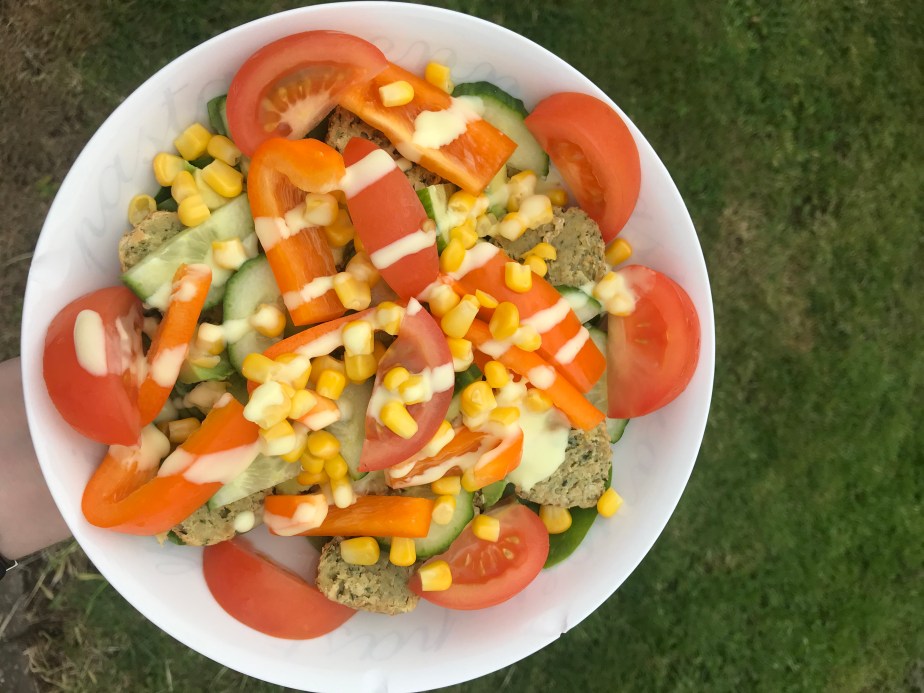
Low carb diet – carbs have less than half the number of calories than fat and they are a good source for quick energy if you’re heading for a long shift at work or a session at the gym. However, wholegrains such as oats, brown rice, and wholemeal bread/pasta are nutritionally better for you and keep you fuller for longer than processed white carbs.
Not eating after a certain time – food is still the same number of calories no matter whether its 1pm or 1am. Eating before bed won’t make you any fatter than eating the same thing a few hours earlier. It is advised not to eat a hefty meal before going to bed as it could keep you awake and isn’t the healthiest for your digestive system, but if you want that cookie, eat the damn cookie!
Targeting weight loss at one area of the body – when you lose weight, you are often losing fat from all areas of your body. We can’t pick and choose where to lose it from unfortunately. But exercising and training certain muscle groups/areas of the body may develop better muscle tone.
Certain foods help you burn fat – some foods are nutritionally better for you than other foods, however no foods will solely help you ‘burn fat’ unless its paired with being in a slight calorie deficit and regular exercise during the week.
No snacking – most people think of snacks as unhealthy foods such as crisps and chocolate bars, but replacing these snacks with a portion of fruit/veg or even a handful of nuts with a yoghurt will help you control your appetite preventing you from wanting to eat through the entire kitchen when you get home from work/uni.
Low fat diet – just because foods are labelled as low-fat, this doesn’t mean its low calorie or low in sugar as well. Always look at the nutritional label and ingredients to see what you’re actually eating. Also natural fats are good for you, such as nuts and avocados (as well as fish if you eat it) so never shy away from them because they are ‘fats’, they can help reduce the risk of heart disease.
 Feed Me Vegan Baby's Blog