Am I getting enough nutrients as a Vegan?

Since turning vegan I’ve had so many people tell me I must be deficient in protein/iron etc. but there are many different plants that give us all the nutrients we need. Soy products including tofu, tempeh and edamame are some of the richest sources of plant protein ranging from 8.5g-15g of protein per ½ cup. They also have good levels of calcium and iron making them healthy substitutes for dairy products. Tofu takes on the flavour of the foods it is prepared in, therefore it is good as a meat substitute in flavourful meals. Lentils are another good source, containing 8.8g of protein alongside plenty of fibre and key nutrients, as they can be used to bulk up meals such as curries and chillies.
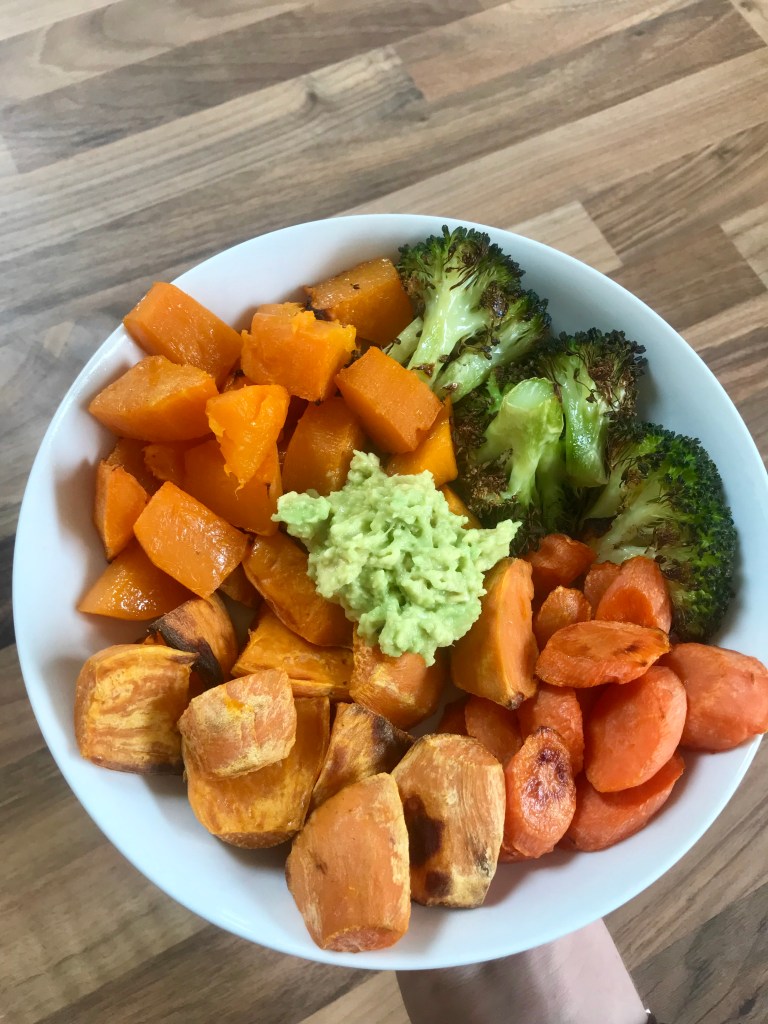
Iron is the most common nutrient deficiency in the world, however being a vegan doesn’t mean that you’re deficient as long as you’re eating foods containing good sources of iron. Some options are lentils, chickpeas, beans, tofu and seeds/nuts, if you eat these alongside foods containing vitamin C, you will be able to absorb the iron better. A lot of fruits contain vitamin C including oranges, strawberries, pineapple, grapefruit and kiwi, as well as other foods like pepper, broccoli and cabbage. However, drinking tea and coffee makes it harder for your body to absorb iron, therefore try to avoid drinking these an hour before and after a meal.

Eating a varied and balanced plant-based diet suggests that you are likely consuming enough omega-3 and omega-6, these include hemp seeds, chia seeds, pumpkin seeds, sunflower seeds, walnuts and soya spread. Omega-3 and omega-6 affect our immune system, brain, nerves, and eyes, and are primarily found in fish which is why people assume we don’t get enough. My favourite ways to include Omega-6 into my meals are either in granola, I’m currently using Deliciously Ella’s nutty granola, or sprinkling a few seeds/nuts on top of a salad. We also buy seeded bread which I have occasionally as I’ve never been big on sandwiches, and I also use rapeseed oil as my main cooking oil.

A lot of people I know assume that you can only get calcium from cow’s milk, however there are plenty of vegan foods which contain it, such as calcium-set tofu, calcium-fortified milk and yoghurt alternatives, kale, pak choi, chia seeds, dried figs, and almonds. Calcium is needed to help keep your teeth and bones strong, but it’s also involved in your nervous system, blood clotting, and controlling your muscles. I use calcium-fortified almond milk and vanilla yoghurt alongside some seeds/nuts to ensure I’m getting enough calcium.
Common Diet Myths

A lot of people have been on a diet at some point in their life and more than likely they haven’t ended up with the results they had hoped for when they started the diet. This is because it’s not a lifestyle change, its a short-term fix that’s not sustainable to live a happy, fulfilling life going out to eat and choosing what you want to eat rather than what is acceptable for your diet, or spontaneously going for ice cream on a sunny day. So today’s post is just a little eye-opener to the main ‘diets’ that people use to try lose weight, and why instead you should take a sustainable, lifestyle change with food and ensure you’re getting all the nutrients you need whilst being able to freely eat what you want.

Low carb diet – carbs have less than half the number of calories than fat and they are a good source for quick energy if you’re heading for a long shift at work or a session at the gym. However, wholegrains such as oats, brown rice, and wholemeal bread/pasta are nutritionally better for you and keep you fuller for longer than processed white carbs.

Not eating after a certain time – food is still the same number of calories no matter whether its 1pm or 1am. Eating before bed won’t make you any fatter than eating the same thing a few hours earlier. It is advised not to eat a hefty meal before going to bed as it could keep you awake and isn’t the healthiest for your digestive system, but if you want that cookie, eat the damn cookie!

Targeting weight loss at one area of the body – when you lose weight, you are often losing fat from all areas of your body. We can’t pick and choose where to lose it from unfortunately. But exercising and training certain muscle groups/areas of the body may develop better muscle tone.

Certain foods help you burn fat – some foods are nutritionally better for you than other foods, however no foods will solely help you ‘burn fat’ unless its paired with being in a slight calorie deficit and regular exercise during the week.

No snacking – most people think of snacks as unhealthy foods such as crisps and chocolate bars, but replacing these snacks with a portion of fruit/veg or even a handful of nuts with a yoghurt will help you control your appetite preventing you from wanting to eat through the entire kitchen when you get home from work/uni.

Low fat diet – just because foods are labelled as low-fat, this doesn’t mean its low calorie or low in sugar as well. Always look at the nutritional label and ingredients to see what you’re actually eating. Also natural fats are good for you, such as nuts and avocados (as well as fish if you eat it) so never shy away from them because they are ‘fats’, they can help reduce the risk of heart disease.