Ways to Reduce Single Plastic Use

I’m sure you’re all aware of how bad plastic is for the environment but advice for cheap, easy ways to reduce plastic isn’t being given without having to search for it. Today’s blog is going to be different ways you can reduce your plastic use in day to day life without having to go out and buy loads of expensive alternatives.
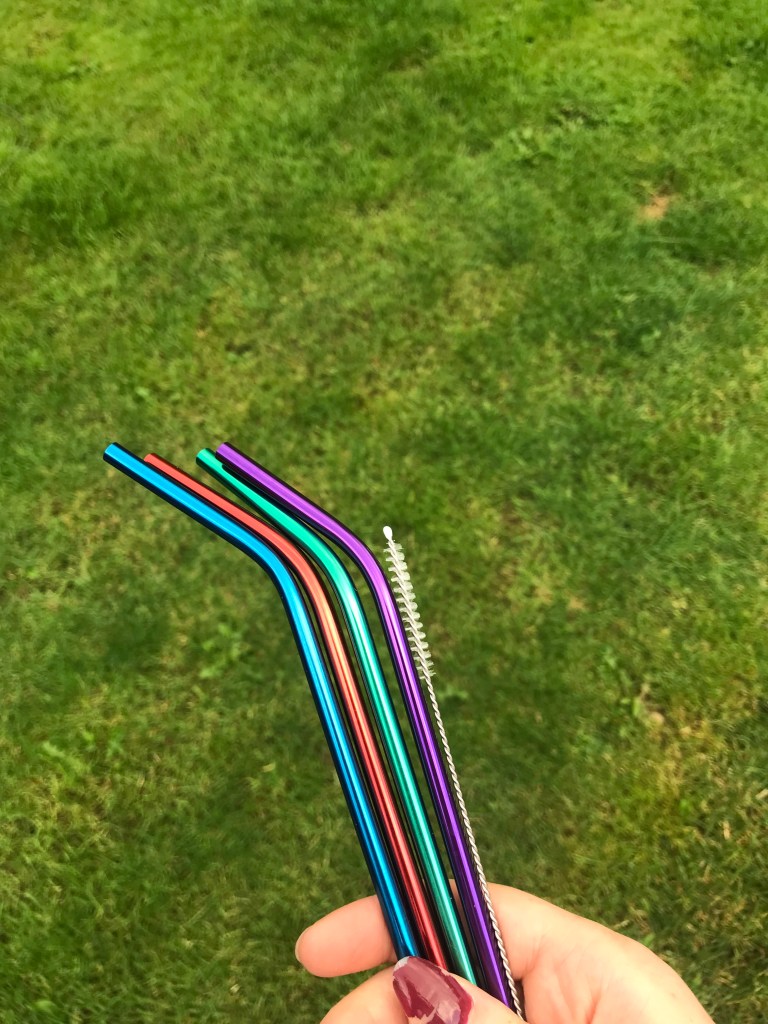
Paper straws are being brought in to replace plastic ones, but if you’re anything like my sister then it doesn’t last 5 seconds from chewing on it. I recently found some coloured metal straws in Asda for £2 and you get 4 along with a brush to clean. As I’m a student these are such a bargain and if you want you can buy an extra brush cleaner and have some at home and some at university with you! A cheaper alternative is just not getting a straw at all, you don’t need a straw it’s just a luxury.

Plastic bags take between 400 and 1,000 years to break down and then the particles which contaminate soil and waterways, are then ingested by animals and enter the food web. There are lots of reusable bags that are sold in supermarkets for around £1, my mum’s favourite is the wicker type as they’re so strong and aren’t reusable plastic bags. However even reusing your plastic bags until they break will save on your plastic use so don’t feel the need to go and buy a bunch of non-plastic bags. We also have fruit and veg bags to put loose things like onions and potatoes in to keep them together, but if I forget to take them, I just keep the fruit and veg loose and wash it before using when I get home.

Treat yourself to a cute new reusable bottle/hot drinks cup, some places will allow you to fill your bottle up with water for free and you can get some money off using a reusable drinks cup in places like Costa which will save you money in the long run as well as helping the environment. As a family we used to buy bottled water and our plastic recycling tub used to be overflowing every week, it feels so much better knowing that I’m not wasting money and helping the environment by not using single-use plastics every single day.

Bringing your own containers to restaurants is a good idea if you’re someone who often takes the food home with you, and it’s not just the typical plastic that you should avoid, Styrofoam is also plastic. On nights out when you go for some chips or veggie burger ask if they have a paper bag, they could put it in instead so you can carry them home with you. Another thing you could easily reduce when eating out is plastic cutlery, McDonalds breakfasts give you plastic cutlery, however you can buy a little container to keep in your bag with reusable cutlery or even bring your own from home.

Changing your plastic toothbrushes for bamboo toothbrushes is another easy swap. They are more expensive than typical plastic toothbrushes, but you can either treat yourself or ask for it as a Christmas/birthday present. They typically last for around 3 months which is as long as a normal plastic toothbrush. Talking about bathroom supplies you can also change your shampoo, conditioner and body wash to bars, Lush offers these as well as online websites or you could even try make your own if you’re feeling creative. They also do lip/body care and hair dye without plastic and makeup, and it smells so good what’s not to love?
Am I getting enough nutrients as a Vegan?

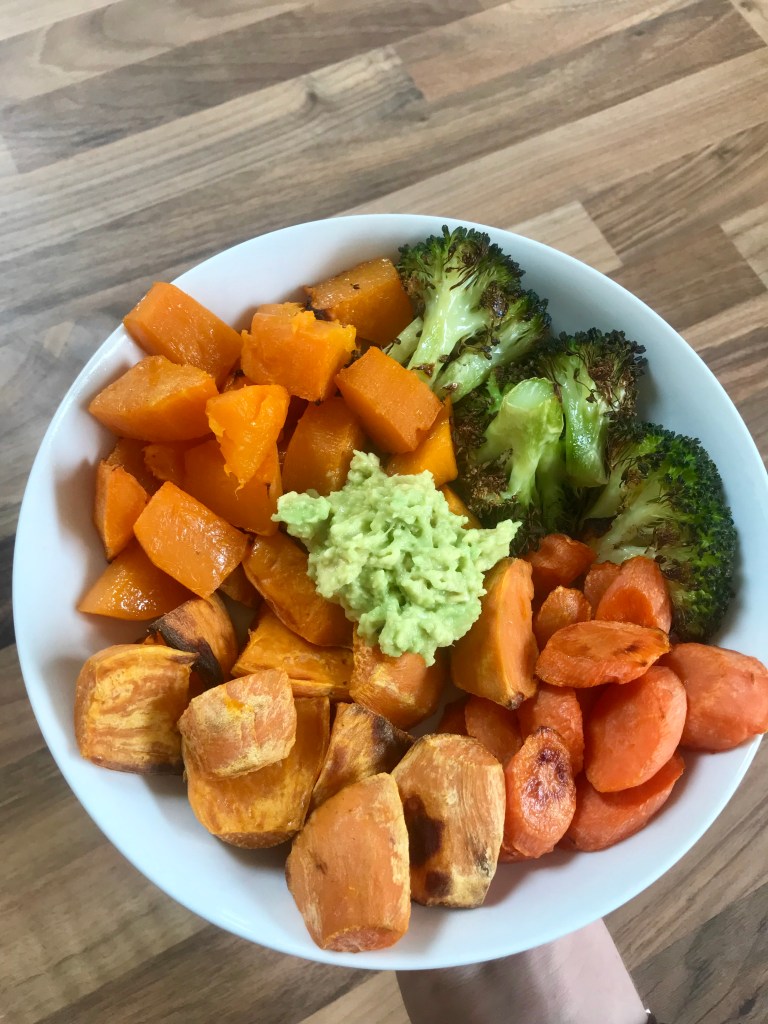
Since turning vegan I’ve had so many people tell me I must be deficient in protein/iron etc. but there are many different plants that give us all the nutrients we need. Soy products including tofu, tempeh and edamame are some of the richest sources of plant protein ranging from 8.5g-15g of protein per ½ cup. They also have good levels of calcium and iron making them healthy substitutes for dairy products. Tofu takes on the flavour of the foods it is prepared in, therefore it is good as a meat substitute in flavourful meals. Lentils are another good source, containing 8.8g of protein alongside plenty of fibre and key nutrients, as they can be used to bulk up meals such as curries and chillies.

Iron is the most common nutrient deficiency in the world, however being a vegan doesn’t mean that you’re deficient as long as you’re eating foods containing good sources of iron. Some options are lentils, chickpeas, beans, tofu and seeds/nuts, if you eat these alongside foods containing vitamin C, you will be able to absorb the iron better. A lot of fruits contain vitamin C including oranges, strawberries, pineapple, grapefruit and kiwi, as well as other foods like pepper, broccoli and cabbage. However, drinking tea and coffee makes it harder for your body to absorb iron, therefore try to avoid drinking these an hour before and after a meal.

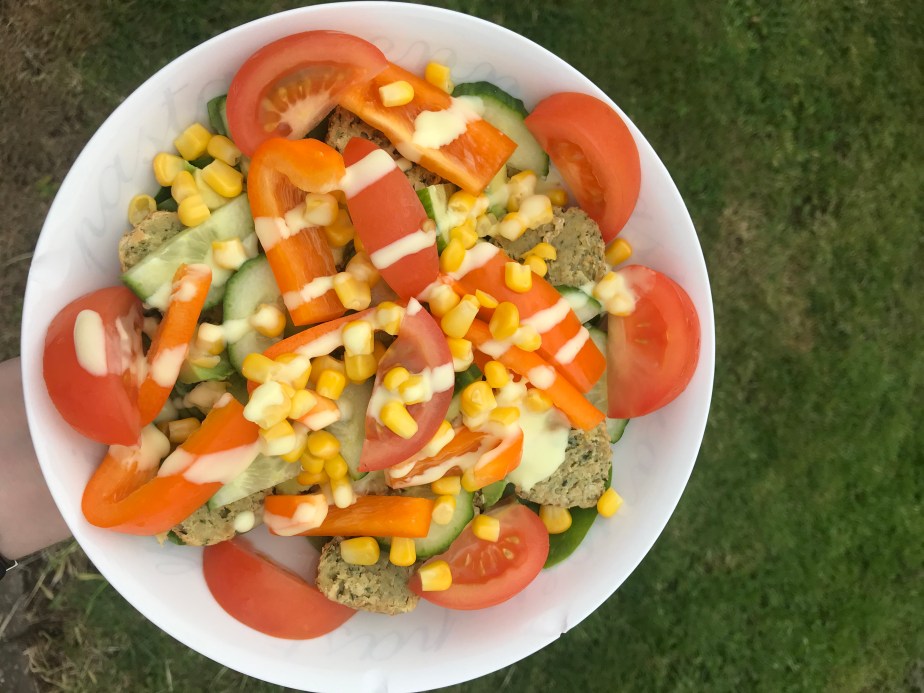
Eating a varied and balanced plant-based diet suggests that you are likely consuming enough omega-3 and omega-6, these include hemp seeds, chia seeds, pumpkin seeds, sunflower seeds, walnuts and soya spread. Omega-3 and omega-6 affect our immune system, brain, nerves, and eyes, and are primarily found in fish which is why people assume we don’t get enough. My favourite ways to include Omega-6 into my meals are either in granola, I’m currently using Deliciously Ella’s nutty granola, or sprinkling a few seeds/nuts on top of a salad. We also buy seeded bread which I have occasionally as I’ve never been big on sandwiches, and I also use rapeseed oil as my main cooking oil.

A lot of people I know assume that you can only get calcium from cow’s milk, however there are plenty of vegan foods which contain it, such as calcium-set tofu, calcium-fortified milk and yoghurt alternatives, kale, pak choi, chia seeds, dried figs, and almonds. Calcium is needed to help keep your teeth and bones strong, but it’s also involved in your nervous system, blood clotting, and controlling your muscles. I use calcium-fortified almond milk and vanilla yoghurt alongside some seeds/nuts to ensure I’m getting enough calcium.

Common Diet Myths

A lot of people have been on a diet at some point in their life and more than likely they haven’t ended up with the results they had hoped for when they started the diet. This is because it’s not a lifestyle change, its a short-term fix that’s not sustainable to live a happy, fulfilling life going out to eat and choosing what you want to eat rather than what is acceptable for your diet, or spontaneously going for ice cream on a sunny day. So today’s post is just a little eye-opener to the main ‘diets’ that people use to try lose weight, and why instead you should take a sustainable, lifestyle change with food and ensure you’re getting all the nutrients you need whilst being able to freely eat what you want.

Low carb diet – carbs have less than half the number of calories than fat and they are a good source for quick energy if you’re heading for a long shift at work or a session at the gym. However, wholegrains such as oats, brown rice, and wholemeal bread/pasta are nutritionally better for you and keep you fuller for longer than processed white carbs.

Not eating after a certain time – food is still the same number of calories no matter whether its 1pm or 1am. Eating before bed won’t make you any fatter than eating the same thing a few hours earlier. It is advised not to eat a hefty meal before going to bed as it could keep you awake and isn’t the healthiest for your digestive system, but if you want that cookie, eat the damn cookie!

Targeting weight loss at one area of the body – when you lose weight, you are often losing fat from all areas of your body. We can’t pick and choose where to lose it from unfortunately. But exercising and training certain muscle groups/areas of the body may develop better muscle tone.

Certain foods help you burn fat – some foods are nutritionally better for you than other foods, however no foods will solely help you ‘burn fat’ unless its paired with being in a slight calorie deficit and regular exercise during the week.

No snacking – most people think of snacks as unhealthy foods such as crisps and chocolate bars, but replacing these snacks with a portion of fruit/veg or even a handful of nuts with a yoghurt will help you control your appetite preventing you from wanting to eat through the entire kitchen when you get home from work/uni.

Low fat diet – just because foods are labelled as low-fat, this doesn’t mean its low calorie or low in sugar as well. Always look at the nutritional label and ingredients to see what you’re actually eating. Also natural fats are good for you, such as nuts and avocados (as well as fish if you eat it) so never shy away from them because they are ‘fats’, they can help reduce the risk of heart disease.

Health Benefits of Walking

Most of you will know that walking is meant to be good for the heart but do you know why? Walking regularly can help improve your cardiovascular fitness by keeping your heart, lungs and circulatory system healthy. This is shown to reduce a risk in health diseases such as type 2 diabetes, and heart disease. It is a low impact sport that can be done anywhere at any time at your own pace. All you need is a suitable pair of shoes!

Walking has also been shown to improve mental focus and memory. The attention restoration theory asserts that people can concentrate better after spending time in nature. It provides us with opportunities to rest, reflect, and restore ourselves. Nature has the ability to renew attention after exerting mental energy, such as having a bad day, studying for exams, or working hard on a project or assignment.

Another reason you should take up walking is that it can do wonders for your mental health, including improving your self-esteem and sleep quality, as well as reducing stress and anxiety. Physically active people have up to 30% reduced risk of becoming depressed, and staying active helps those who are depressed to recover. Why not catch up with some old friends and have a chat whilst walking for a free activity or take a stroll in your local area listening to some music.

Vegan Kebabs

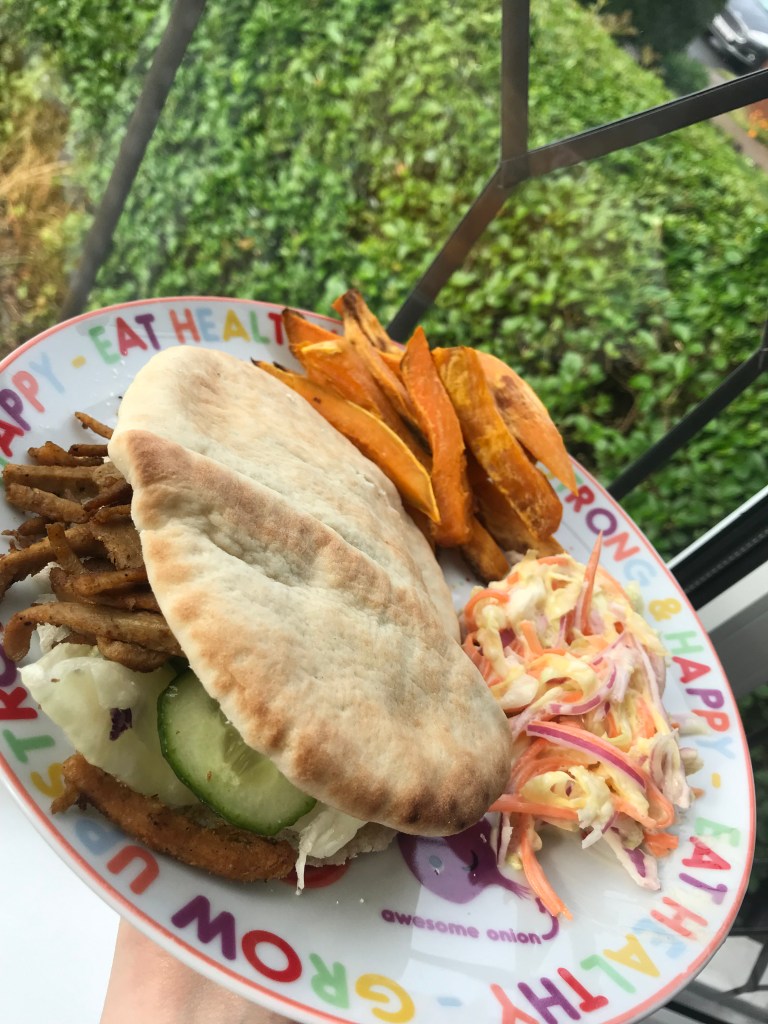
As a family we’re trying to save money and eat a little healthier without skimping out on the foods we all enjoy. This Saturday we made some vegan kebabs using Vivera veggie shawarma kebab alongside some homemade vegan coleslaw and sweet potato fries.

To make the coleslaw I chopped up carrots, red onion and cabbage into small strips and added it to a bowl with 3/4 cup vegan mayo, 1/2 tbsp apple cider vinegar and 2 tsp sugar (although next time I would do less sugar). I mixed it all together until all the veg was coated and then refrigerated it for a couple hours before using it.

For the sweet potato fries I chopped 3 medium sized sweet potatoes (for 3 people), sprayed them with oil and tossed them in a bit of salt and oven cooked them for around 20 minutes at 200°C.

Whilst the fries were in the oven I chopped up some salad including cucumber lettuce onion and pepper and sliced some pitta bread open in preparation. I then fried up the Vivera kebab for about 5 minutes in a bit of oil to heat it through before putting it altogether.

Let me know if you try making these and your thoughts!